


Purpose Statement:
On Feb. 28, 2026, the United States and Israel engaged in military hostilities against the Islamic Republic of Iran, using an air campaign to target critical infrastructure within the country and killing Supreme Leader Ali Hosseini Khamenei. Since then, the war has expanded, with Iranian-backed militias across the Middle East, and members of the Gulf Cooperation Council (GCC) and U.S. military bases in the region becoming involved. While the war may currently be on a ceasefire, misinformation, AI-generated deepfakes and biased reporting continue to infiltrate the media market.
Accordingly, compiled below are resources that focus on unbiased, fact-based reporting. Some are specific to this conflict, while others attempt to report the essential facts for the litany of conflicts that are ongoing around the globe.
Vocabulary, adapted from the Associated Press style guide for reporting on the War in the Middle East:
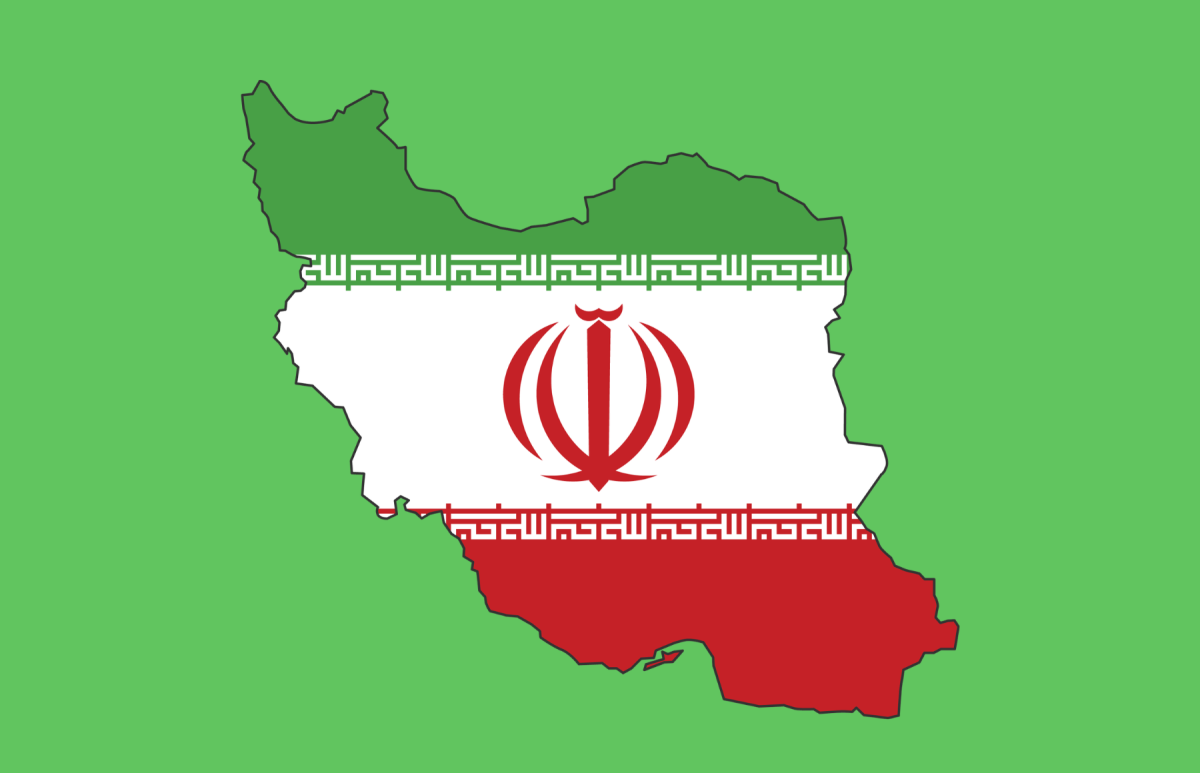
Iran: officially the Islamic Republic of Iran, a country in the Middle East that is home to 90 million people; governed by a Shiite theocracy which rules over a majority Muslim population with Christian, Jewish and Zoroastrian minorities.
Supreme Leader: the highest political and religious authority in Iran, commander-in-chief of the armed forces, judiciary and other parts of the Iranian state
Iranian Revolutionary Guard Corps (IRGC): a paramilitary organization formed in 1979, reports directly to Khamenei and is independent of the Iranian military
Shia Islam: one of the two major sects of Islam, in opposition to the beliefs of Sunni Islam regarding the successor of the Prophet Muhammad, approximately 10-13% of Muslims
Sunni Islam: the largest sect of Islam, acknowledges the first four Caliphs as the rightful successors of Muhammad, comprises approximately 80% of global Muslims
Global war on terror: 20 year U.S.-led military intervention following the Sep. 11 terrorist attacks that aimed to eradicate global terrorist organizations, primarily in the Middle East
Israeli-Iran War of 2025: A 12 day war that started on June 13, 2025, which the US intervened in; Iran and Israel agreed to a ceasefire on June 24, 2025
AI deepfake: synthetic, AI-generated media that replaces one person’s name or likeness with another, primarily used for malicious purposes
Strait of Hormuz: a waterway that connects the Persian Gulf and the Arabian Sea, through which one-fifth of the world’s traded oil and natural gas passes
Iran-backed militias: militias that operate across the Middle East in support of various causes (Palestinian liberation, in the example of Hamas) and also support Iranian causes, yet were founded without involvement from the Iranian state
Resources:
Domestic Impact:
Council on Foreign Relations: A widely reputable think tank that provides great analysis on how the developments of the war relate to domestic issues, including gas prices, mid-term elections and the impact long-term on U.S. foreign policy. Various media are published daily, primarily in the form of articles, to ensure the most up-to-date information is available.
Mid-East Impact:
Al Jazeera: Recognized as one of the top networks that covers Middle Eastern affairs from the region. They have reporters on the ground across the region, making sure that the most accurate information is delivered to viewers. For their coverage on the Iran War in particular, they have put together a wide range of statistics and maps which offer a different perspective from that of many Western media organizations. It should be noted that Al-Jazeera is technically a state-funded media organization of Qatar. While it claims that it maintains independence, some view it as an extension of Qatari foreign policy.
Global Impact:
Armed Conflict Location and Event Data Project: Independent global monitor with the goal of tracking patterns of violence across the world and rating global conflicts based on danger to civilians, number of armed groups involved, deadliness and geographic diffusion. Includes statistics that show the exact number of airstrikes from each belligerent party in the war, detailing the casualty count from each strike as well. Also has articles about how key issues in the war (such as the Strait of Hormuz) affect both Westerners and non-Westerners alike.
Institute for the Study of War: Public policy research institution that focuses on military affairs globally and currently has teams dedicated to providing accurate information on the war in the Middle East, the war in Ukraine and tensions between China and Taiwan. The institute has a history of providing accurate reporting in regards to past U.S. interventions in the region, such as during the global war on terror in the early 2000s. They also provide daily briefings that give readers the five most essential facts they need to take away from the happenings of the day regarding the war.
AI/Social Media:
Brookings Institute: Non-partisan think tank based in Washington, D.C. While they do not offer a clear “guide” on how to navigate the deepfake situation, one of their fellows wrote a fantastic article that provides some context to the situation, highlighting similarities to the use of misinformation at the beginning of Russia’s war in Ukraine.
Rest of World: International technology publication that focuses on the impact of Western-developed technologies in the global south. One of their writers interviewed the CEO and founder of the Global Center on AI Governance. The guide is presented in a question and answer format, highlighting how users can identify AI-generated content on their own, the history of the use of AI in recent conflicts and where the responsibility rests for reigning in such technologies.
Arab Reform Initiative: Arab think tank based in Paris that is centered around moving the conversation in regards to social justice and human rights. They have put together an extremely comprehensive guide when it comes to discerning through AI-generated content, and have even included unique angles, such as how AI has been used in a military capacity by both sides so far. It also does a good job tying domestic events (such as the recent falling- out between Anthropic and the Department of War) to the greater global picture.
Note: This guide serves as a starting point — the exclusion of any source is not intentional. Should anyone have any sources which they believe are fit to be included, please reach out to me, and after reviewing, I will let you know if they meet the requirements for inclusion