



All views shared in the Opinions section of The Chatterbox belong to their respective authors, and may not represent the views of the publication as a whole.
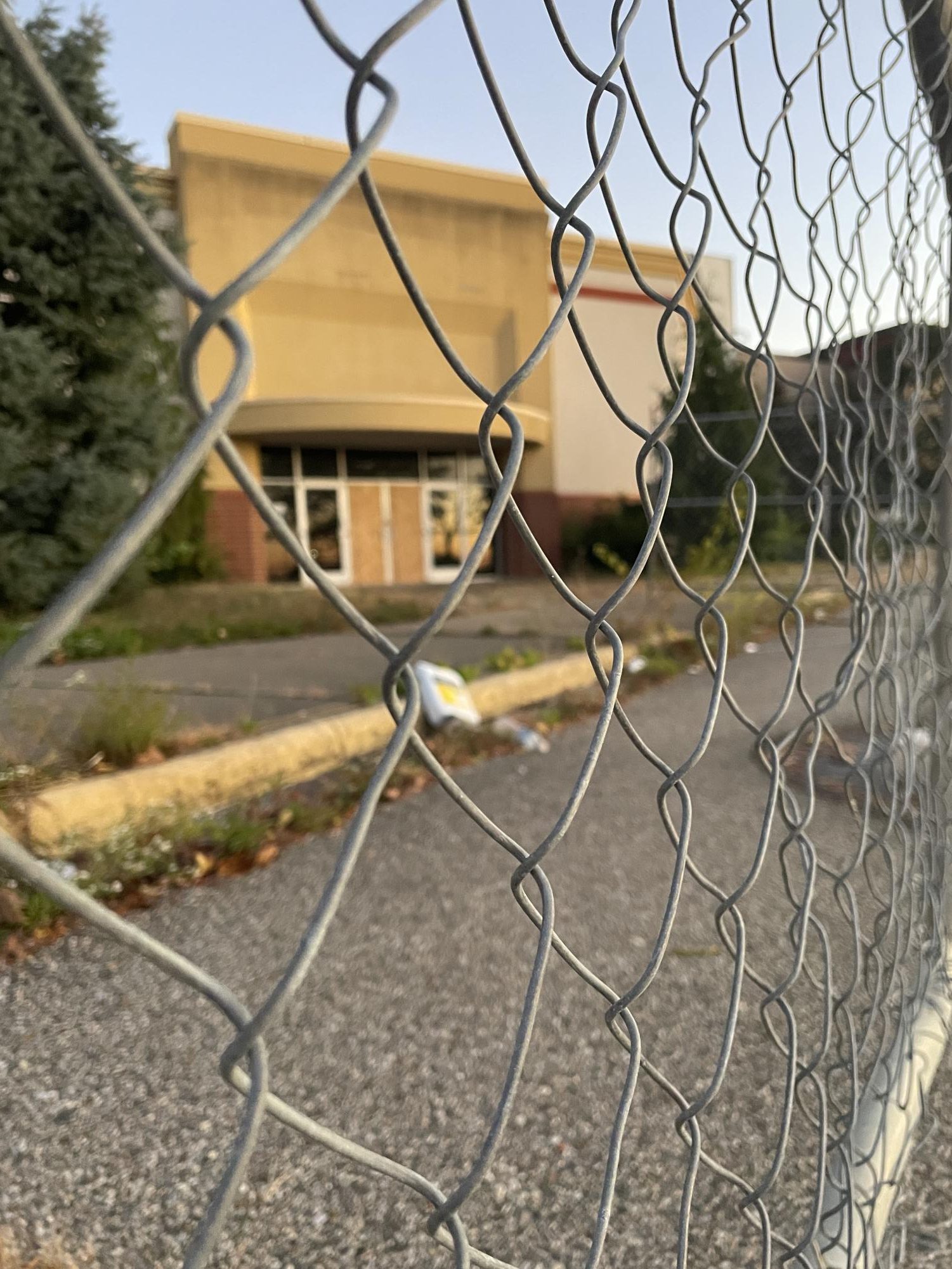
The mall — once a bustling center of America and its culture — has now been left to rot.
With only around 700 malls left across the U.S., down from around 2500 in the 1980s according to Business Insider, it’s no secret that malls are dying. In mid-September, Cincinnati Mall began its demolition; similarly, Northgate and Eastgate, once bustling centers of shopping and merrymaking, are now mostly vacant.
What was once regarded as a pillar of American culture by many can now be found empty and dying. The question is: what exactly happened to these institutions?
The first modern mall was built in Florida in 1956. From there, the mall industry quickly took off, with over 1200 malls sprouting across the country.
This surge in the number of malls wasn’t just because they were so popular, but due to a tax code passed around that time aimed to stimulate investment in new properties and manufacturing.
New businesses could set aside one-fortieth of their income (tax-free) over 40 years to account for the depreciation of new buildings. When a new building has the potential to rake in millions annually, it becomes evident how a bundle of stores could form a mall.
Investors rushed to build malls, and in their hurry, many weren’t built in the best areas. Though malls were initially built in urban centers, they began to be constructed in non-urban areas. This left malls far from where people lived, and, in some cases, in the middle of fields in the countryside.
This worked during the mall era, where going to the mall was the perfect activity for many teens. During her teenage years, Nicole Pennekamp, social studies teacher, was commonly found in malls, frequenting Forever 21, Hollister and Abercrombie & Fitch.
“I feel like primarily that’s where all of my shopping took place,” Pennekamp said. “That’s also where I spent a lot of time with my friends, because we would always kind of make a day out of it.”
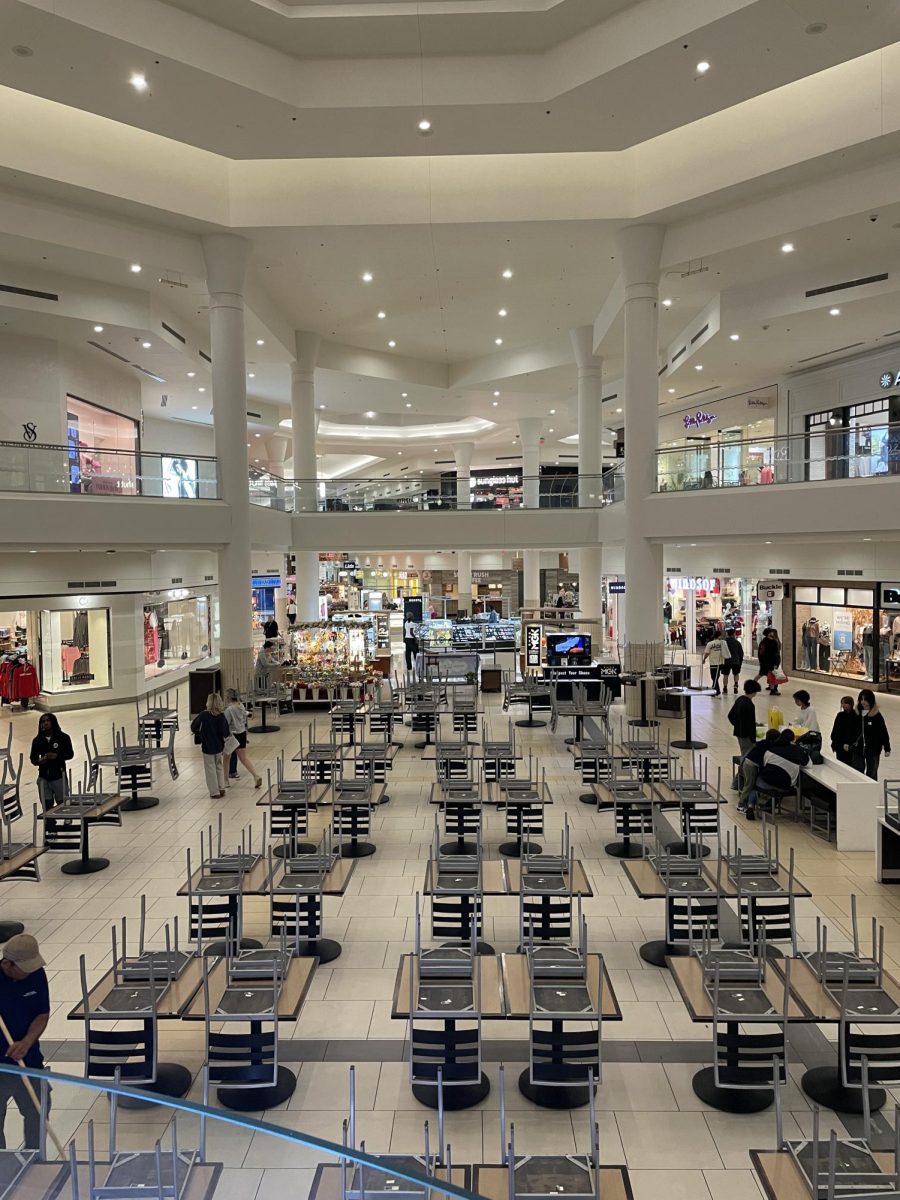
However, the days of cheap clothing and 25-cent arcade games are, for the most part, in the past and online shopping has taken its hold on the American way of life. Malls have now become almost obsolete, with 15% of malls expected to close in the next 10 years according to PBS.
One supporter of online shopping is Hannah Greulich, social studies teacher, who notes her transition from shopping in-person as a teen to online as an adult due to the stressful environment of malls.
“I haven’t set foot in a mall in at least five years,” Greulich said. “Online shopping is just so much more prevalent now; some people still like to shop in person, but online is so much easier.”
The failure of malls is due to a failure to evolve. As the modern consumer has evolved from pushing a shopping cart through a crowded aisle to simply clicking a button, malls have stayed stagnant, stuck in a time that no longer exists.
Pennekamp suggests incentivising discounts, where consumers can only redeem a deal if they come in-person. She also notes that the environment of malls could see improvement.
“People want it to be an experience,” Pennekamp said. “If they’re holiday shopping, they want to go in and see decorations or they want to see kids taking pictures of Santa.”
However, some malls are in too deep of a hole to dig themselves out of. For example, Eastgate Mall in Cincinnati now has a vacancy rate of 59%, with three more stores planning not to renew their leases in the coming year. For cases like these, the question is whether demolition or redevelopment is necessary.
Demolition should always be the last resort, as the destruction of large buildings has an immense environmental impact. In 2018, demolition projects produced an estimated 600 million tons of waste according to the Environmental Protection Agency.
That’s not to mention all the wasted potential a structure like a mall could have had.
Malls have the potential to be transformed into a living and shopping center, like Factory 52 — a playing card factory turned lifestyle center in Norwood, Ohio.
A new, innovative and well-repurposed space could be the future of the ghost mall, leaving behind its memory and retrofitting it for modern-day uses.
For some malls, however, it’s too late for that. Many have been declining for too many years, leaving buildings crumbling from within. Developers are often unwilling to gamble on such a big project where they’re left to deal with squatters and vandals alike.
In these cases, demolition might be their best bet — the cheapest and easiest route to repurposing the site.
No matter the solution, it is clear that malls no longer hold the place in society that they once did. The era of the mall has passed, no matter how much people romanticize it, and now the remaining malls must look forward.